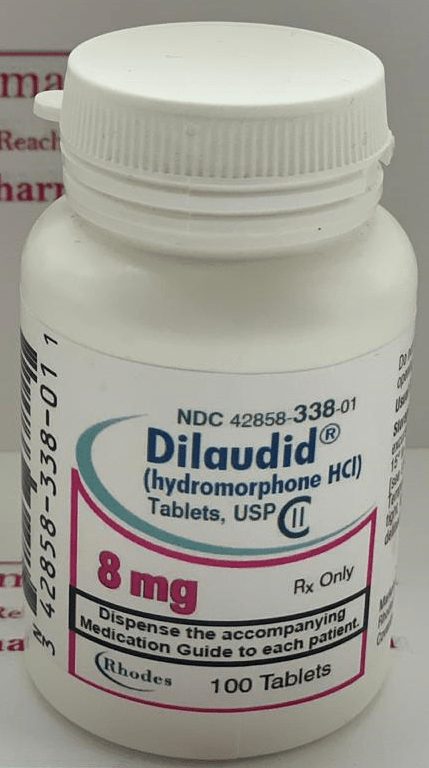
Buy Dilaudid Online Europe
The Core Identity of Dilaudid
Buy Dilaudid Online Europe here is what you must know. Doctors refer to Dilaudid by its generic name, hydromorphone. Pharmaceutical scientists engineered this specific compound in a laboratory. They started with morphine but altered the chemical blueprint. This alteration created a powerhouse painkiller. In fact, medical experts consider hydromorphone five to seven times stronger than standard morphine. Because of this immense strength, physicians treat the drug with extreme caution. They only deploy it when standard painkillers fail completely. The medication fundamentally alters the nervous system’s pain response. Doctors administer it in several distinct formats. Patients can swallow immediate-release tablets. Nurses can inject it directly into a vein. Doctors can also prescribe it as a rectal suppository. Some patients even use a patient-controlled analgesia pump. This pump allows them to self-administer small, safe doses.
The Mechanics of Pain Relief
How does this drug actually shut down severe agony? The human body contains a built-in pain management network. Tiny opioid receptors sit throughout the brain and spinal cord. When tissue damage occurs, nerves shoot electrical distress signals to the brain. Hydromorphone intercepts these signals mid-transit. The drug molecules physically lock onto the mu-opioid receptors. This lock blocks the distress messages from reaching conscious awareness. The brain simply stops registering the agony. Simultaneously, the drug triggers a massive dopamine release. This chemical flood creates deep physical relaxation. The patient experiences profound relief.
However, this exact mechanism carries heavy risks. The brain quickly learns to crave that dopamine flood. This craving drives the potential for addiction. The drug also depresses the brainstem. It slows the respiratory drive. This breathing slowdown requires strict medical monitoring. High doses can cause dangerously slow breathing. Therefore, medical supervision remains absolutely essential during treatment.
Clinical Applications in the Real World
Physicians never prescribe this drug for a simple headache or a sprained ankle. They reserve it for intense, acute medical crises. Surgeons frequently rely on it for the immediate post-operative window. Major operations cause massive tissue trauma. Dilaudid keeps the patient comfortable during those critical first recovery days. Emergency medicine physicians also deploy it for severe trauma. A victim of a major car crash will often receive it in the trauma bay.
Oncologists also utilize it heavily. Tumors can crush nerves and cause agonizing, unrelenting pain. Hydromorphone helps cancer patients maintain a basic quality of life. Palliative care teams use it to ensure comfort in hospice settings. Doctors also deploy it for “breakthrough” pain. This happens when a patient’s baseline medication suddenly fails. The patient feels a rapid, blinding spike in agony. A fast-acting dose of Dilaudid quickly extinguishes that spike. The rapid onset makes it perfect for these sudden emergencies.
Comparing Hydromorphone to the Competition
How does this drug stack up against other heavy painkillers? Doctors choose medications based on the specific clinical battlefield. Let us compare it to morphine first. The medical community uses morphine as the baseline benchmark. Hydromorphone easily outguns it. A tiny pill of Dilaudid equals a massive dose of morphine. Dilaudid also kicks in much faster. Patients feel the relief within thirty minutes. Morphine takes longer to cross the blood-brain barrier. Furthermore, Dilaudid triggers less histamine release. Histamine causes intense itching and nausea. Therefore, patients often tolerate Dilaudid much better.
What about oxycodone? Doctors frequently prescribe oxycodone for moderate pain. However, Dilaudid packs significantly more punch. Physicians usually try oxycodone first. They only switch the patient to Dilaudid if the pain remains unbearable.
Finally, consider fentanyl. Scientists synthesize fentanyl as an ultra-powerful opioid. It dwarfs both morphine and Dilaudid in sheer strength. Doctors reserve fentanyl for the most extreme, end-stage pain. They use Dilaudid for severe pain that falls just below that extreme threshold. Fentanyl patches also last for days. Dilaudid burns through the system much faster. Patients must take it every four to six hours to maintain relief. The liver metabolizes Dilaudid relatively quickly. Patients with liver issues require careful dose adjustments.
The Bottom Line for Patients
Dilaudid serves as a vital medical tool for patients in physical agony. It blocks pain signals and resets the nervous system. Surgeons, oncologists, and emergency doctors rely on it daily. However, its immense power demands absolute respect. Patients must follow every single instruction their doctor provides. The medication offers a crucial lifeline for severe pain management. Medical professionals use it safely when they monitor the patient closely.
Buy Dilaudid Online Europe And How It Works
Safe Use of Dilaudid: What Every Patient Should Know
Doctors prescribe Dilaudid (hydromorphone) to manage pain that other medications can’t control. It works well, but it also carries real risks. Patients who understand how to use it safely protect themselves from side effects, dependence, and dangerous interactions. This guide breaks down five habits every patient should build into their routine.
Take Dilaudid Exactly as Prescribed
Follow your prescriber’s instructions to the letter. Don’t take more than the amount listed on your label, and don’t take it more often than directed. If the medication doesn’t seem to be working, resist the urge to increase your own dose. Call your doctor instead and explain what you’re experiencing.
Skipping doses or stopping suddenly also carries risk. Hydromorphone changes how your body processes pain over time, and abrupt changes can trigger withdrawal symptoms or leave you in unnecessary discomfort. If you want to adjust your dose or come off the medication, talk to your doctor first so they can guide you through it safely.
Never share this medication with anyone else, even if they’re dealing with similar pain. What’s safe for you may not be safe for another person, especially someone who hasn’t built tolerance to opioids or who takes other medications that interact poorly with hydromorphone.
Understand Why Dosage Instructions Matter
Your prescribed dose isn’t arbitrary. Your doctor calculated it based on your weight, your medical history, your pain level, and any other drugs you take. Straying from that dose even by a small amount changes how the medication affects your breathing, your alertness, and your risk of overdose.
Hydromorphone is significantly more potent than morphine, which means small errors in dosing carry outsized consequences. Too much can slow your breathing to a dangerous degree. Too little may leave your pain undertreated, which can push you toward taking extra doses without medical guidance. Sticking to the exact schedule your doctor sets keeps you in the safe zone where the medication does its job without putting your health at risk.
If your pain changes better or worse don’t self-adjust. Report the change to your care team so they can revisit your treatment plan with full information.
Store and Dispose of Dilaudid Safely
Because Dilaudid is a powerful opioid, careless storage puts your household at risk. Children, guests, and even pets can be harmed by accidental exposure. Follow these steps to keep your medication secure:
- Store it in a locked cabinet, lockbox, or another location that isn’t easily accessible to others
- Keep it in its original, labeled container so there’s no confusion about what it is or how much you have left
- Avoid storing it in a bathroom medicine cabinet, where humidity can affect the medication and where it’s often within easy reach of visitors
- Track how many pills you have, so you notice quickly if any go missing
When you no longer need the medication, don’t just throw it in the trash or flush it down the toilet unless your pharmacist specifically tells you to. Many pharmacies and community programs offer take-back programs designed for controlled substances. Ask your pharmacist where the nearest drop-off location is, or check if your local police department hosts a take-back event. Proper disposal keeps unused pills out of the wrong hands and out of the water supply.
Avoid Alcohol and Certain Medications
Alcohol and Dilaudid don’t mix. Both substances slow down your central nervous system, and combining them multiplies the sedative effect far beyond what either would cause alone. This combination raises your risk of dangerously slowed breathing, extreme drowsiness, and overdose. Skip alcohol entirely while you’re taking this medication.
Certain other medications carry similar risks. Benzodiazepines, sleep aids, muscle relaxants, and some antihistamines can all deepen the sedation caused by hydromorphone. Combining opioids with these drugs is one of the leading causes of overdose deaths, so it’s critical that your doctor and pharmacist know about every medication and supplement you take, including over-the-counter products.
Before starting any new medication even something as simple as a cold remedy check with your pharmacist first. A quick phone call can prevent a dangerous interaction.
Keep Up With Regular Follow-Up Visits
Ongoing pain management works best as a partnership between you and your care team. Regular follow-up appointments let your doctor track how well the medication is controlling your pain, watch for early signs of tolerance or dependence, and adjust your treatment plan as your needs change.
These visits also give you a chance to raise concerns you might hesitate to bring up otherwise new side effects, mood changes, or questions about how long you’ll need the medication. Being honest with your doctor about how you’re feeling, physically and emotionally, helps them keep your treatment both effective and safe.
Don’t skip these appointments once your pain improves. Your doctor needs to see the full picture over time, including how your body responds as your condition changes, to make sure your treatment stays appropriate for your situation.
Note to Patients
Dilaudid can bring real relief when pain is severe, but it demands respect and careful handling. Take it exactly as prescribed, understand why your dosage matters, store and dispose of it responsibly, steer clear of alcohol and interacting medications, and stay engaged with your healthcare provider through regular check-ins. These habits protect you, your family, and your community while helping you get the most benefit from your treatment.
Common Side Effects of Dilaudid and When to Seek Medical Attention
Dilaudid (hydromorphone) treats pain that milder medications can’t touch, but it also comes with a range of side effects. Most are manageable and expected. A few signal a medical emergency. Knowing which is which helps patients use this medication with confidence instead of fear, and it keeps them safe when something does go wrong.
Common Side Effects You Might Notice
Hydromorphone affects the central nervous system and the digestive tract, so most everyday side effects trace back to those two systems. Patients commonly report:
Drowsiness. Feeling sleepy or foggy is one of the most frequent effects, especially when starting the medication or after a dose increase. Your body often adjusts within the first few days.
Nausea. Opioids slow digestion and affect the part of the brain that controls nausea, so an upset stomach is common early on. This usually fades as treatment continues.
Constipation. Unlike drowsiness and nausea, constipation doesn’t typically improve with time. Hydromorphone slows movement through the digestive tract for as long as you take it, so most patients need an ongoing plan to manage it.
Dizziness. Standing up quickly can bring on lightheadedness, particularly when you first start the medication or after a dose change. Moving slowly and giving your body a moment to adjust helps reduce this.
Other common effects include dry mouth, sweating, and mild mood changes. None of these are dangerous on their own, but they’re worth mentioning to your doctor, especially if they don’t improve or start interfering with daily life.
Serious Side Effects That Require Attention
A smaller set of side effects points to something more dangerous happening in the body.
Slowed or shallow breathing is the most serious risk associated with hydromorphone. Because opioids depress the central nervous system, high doses — or combining the drug with other sedating substances — can slow breathing to a dangerous level. This risk is highest when starting the medication, increasing the dose, or mixing it with alcohol, benzodiazepines, or other sedatives.
Severe allergic reactions, while rare, can also occur. These go beyond mild itching and involve the body’s immune system reacting strongly to the drug.
Extreme sedation or unresponsiveness signals that the dose is too high for your body to handle safely, even if breathing hasn’t yet slowed significantly.
These aren’t effects to wait out. They require prompt evaluation and, in urgent cases, emergency care.
Warning Signs That Need Immediate Medical Care
Call emergency services or get to an emergency room right away if you or someone taking Dilaudid shows any of the following:
- Breathing that’s slow, shallow, or has stopped
- Blue or gray tint to the lips or fingertips
- Extreme drowsiness that makes the person hard to wake up
- Confusion, slurred speech, or unusual unresponsiveness
- Swelling of the face, lips, tongue, or throat
- Difficulty breathing or swallowing, apart from sedation
- A widespread rash, hives, or severe itching that appears suddenly
- Chest pain or an irregular heartbeat
- Seizures
These symptoms can escalate quickly, so don’t wait to see if they improve on their own. If you’re not sure whether a symptom qualifies as an emergency, treat it as one and seek care immediately.
Tips for Managing Common Side Effects Safely
A few practical habits make the common side effects easier to live with, without putting your safety at risk.
For drowsiness: Avoid driving or operating machinery until you know how the medication affects you. Give your body time to adjust, and mention persistent drowsiness to your doctor rather than pushing through it.
For nausea: Taking the medication with a small amount of food can settle your stomach. Staying hydrated and eating small, bland meals also helps. If nausea persists beyond the first few days or becomes severe, ask your doctor about anti-nausea options.
For constipation: Start a bowel regimen early rather than waiting for problems to develop. Drinking plenty of water, eating fiber-rich foods, staying as active as your condition allows, and using a stool softener or laxative recommended by your doctor can all help keep things moving.
For dizziness: Rise slowly from sitting or lying positions, especially first thing in the morning. Sit on the edge of the bed for a moment before standing to give your blood pressure time to adjust.
Across the board: Keep an open line of communication with your care team. Side effects that seem minor on their own can add up, and your doctor may be able to adjust your dose, switch your medication, or add supportive treatments to make your experience more comfortable.
The Bottom Line
Most people taking Dilaudid deal with manageable side effects like drowsiness, nausea, constipation, and dizziness, and simple strategies can ease all four. But hydromorphone is a powerful opioid, and serious risks like slowed breathing and severe allergic reactions demand fast action. Learn the warning signs before you need them, keep your doctor informed of how you’re feeling, and don’t hesitate to seek emergency care when something feels seriously wrong. Staying informed is one of the best tools you have for using this medication safely. Buy Dilaudid Online
Frequently Asked Questions About Dilaudid
Patients starting Dilaudid (hydromorphone) often carry the same handful of questions into their first conversation with a pharmacist or doctor. This FAQ walks through the most common ones, from what the drug treats to what caregivers should watch for.
What Conditions Is Dilaudid Used to Treat?
Doctors prescribe Dilaudid for moderate to severe pain that other medications haven’t controlled well enough. You’ll often see it used after surgery, following a serious injury, or during cancer treatment when pain becomes difficult to manage with less potent options. Some patients take it for chronic pain conditions, though doctors generally reserve it for situations where the benefit clearly outweighs the risks that come with long-term opioid use.
Because hydromorphone is significantly stronger than many other pain relievers, doctors typically turn to it only after weighing your specific pain level, medical history, and response to other treatments. It’s not a first-line option for mild or moderate pain that responds to over-the-counter medications.
How Quickly Does It Start Working?
The onset depends on how you take it. Oral tablets and liquid forms generally start easing pain within 15 to 30 minutes, with the strongest effect building over the following hour. Injectable forms, given in a hospital or clinical setting, work even faster, often within a few minutes.
Keep in mind that starting to work and reaching full effect aren’t the same thing. Give the medication the full window your doctor describes before deciding it isn’t helping enough, and never take an extra dose early just because relief feels slow to arrive. Buy Dilaudid Online Europe
What Should Patients Do If They Miss a Dose?
Before you Buy Dilaudid Online Europe know this. If you miss a dose, take it as soon as you remember unless your next scheduled dose is coming up soon. In that case, skip the missed dose entirely and resume your regular schedule. Never take two doses close together to catch up, since doing so raises your risk of overdose and dangerous side effects like slowed breathing.
If you’re unsure what counts as too close to your next dose, call your pharmacist. They can walk you through your specific schedule and help you avoid guesswork. If you find yourself missing doses often, mention it to your doctor. They may be able to adjust your schedule to something easier to follow, or help you build a routine like pairing doses with a daily habit that keeps you on track. Buy Dilaudid Online Europe
Can Dilaudid Be Taken With Other Medications?
Sometimes, but only under your doctor’s guidance. Certain combinations carry serious risks. Benzodiazepines, sleeping pills, muscle relaxants, and other sedatives can all deepen the drowsiness and breathing suppression caused by hydromorphone, and mixing these drugs is a leading cause of opioid-related overdose. Alcohol carries the same danger and should be avoided entirely.
While trying to Buy Dilaudid Online Europe Some antidepressants and anti-nausea medications can also interact with hydromorphone in ways that raise the risk of a condition called serotonin syndrome, which affects the nervous system. Even seemingly harmless products, like certain cold medicines or herbal supplements, can interact in unexpected ways.
Give your doctor and pharmacist a complete list of everything you take, including over-the-counter drugs, vitamins, and supplements. Update that list any time it changes, and check in before adding anything new, even something that seems minor.
What Precautions Should Older Adults and Caregivers Know?
Older adults process medications differently than younger patients. Slower metabolism, reduced kidney and liver function, and a higher likelihood of taking multiple medications all raise the risk of side effects like excessive sedation, falls, and breathing problems. Doctors often start older patients on a lower dose and adjust slowly, watching closely for signs the medication is too strong. Buy Dilaudid Online Europe
Caregivers play an important role in keeping older patients safe. It helps to:
- Track dosing times and amounts, especially for patients who may forget whether they’ve taken a dose
- Watch for confusion, unusual drowsiness, or changes in balance, all of which can signal the dose needs review
- Store the medication securely, out of reach of visitors, other household members, or anyone who might take it accidentally
- Keep a current list of every medication the patient takes, and share it with every provider involved in their care
- Stay alert to signs of falls, since sedation and dizziness raise fall risk substantially in older adults
If a caregiver notices sudden changes in alertness, breathing, or mobility, they shouldn’t wait for the next scheduled appointment to raise the concern. Buy Dilaudid Online Near Me
When Should a Patient Contact Their Healthcare Provider?
Reach out to your doctor if you notice any of the following:
- Pain that isn’t improving, or that’s getting worse despite taking the medication as prescribed
- Side effects that don’t fade after the first several days, such as persistent nausea or drowsiness
- Signs that your body is adjusting to the drug in a way that concerns you, like needing more medication to get the same relief
- New symptoms that appear after starting the medication, even ones that seem unrelated to pain
- Questions about how long you’ll need to take the medication, or how to eventually stop
Seek emergency care immediately, rather than waiting for a callback, if you experience slowed or shallow breathing, extreme drowsiness that’s hard to rouse from, confusion, swelling of the face or throat, or any sign of a severe allergic reaction.
Take Note
Dilaudid can bring meaningful relief for serious pain, but getting the most out of it safely means understanding how it works, sticking to your schedule, being cautious about other medications, and paying close attention if you’re an older adult or caring for one. When in doubt about a symptom, a missed dose, or a new medication, a quick call to your doctor or pharmacist is always worth making. Buy Dilaudid Online Europe



Reviews
There are no reviews yet.