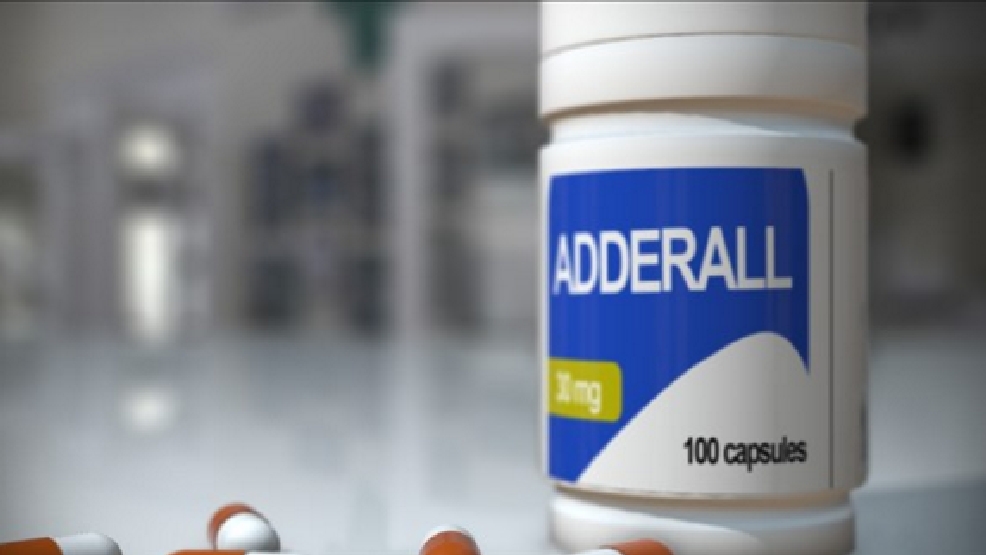
What Is Adderall IR 10mg and How Does It Work To Buy Adderell In Europe?
What Adderall Actually Is
Buy Adderall in Europe here is waht you need to know. Adderall is a prescription central nervous system stimulant used primarily to treat ADHD and narcolepsy. It’s been available in the US since the mid-1990s and belongs to a class of medications known as amphetamines compounds that increase activity in certain brain signaling systems rather than sedate them, which is part of why they help conditions defined by under-active attention regulation rather than overactivity in the way people might assume.
The “IR” in Adderall IR stands for immediate-release, meaning the tablet delivers its entire dose in a single release shortly after being swallowed, rather than staggering the release over many hours the way an extended-release (XR) version does. The 10mg strength sits toward the lower-middle of the IR dosing range (which generally spans 5mg to 30mg), often used as a starting or moderate dose while a prescriber is still gauging how someone responds.
The Active Ingredients
Adderall isn’t a single chemical compound — it’s a carefully balanced mixture of amphetamine salts, combined in a fixed 3:1 ratio of dextroamphetamine to levoamphetamine. Specifically, each tablet contains four distinct salt forms in equal proportions:
- Dextroamphetamine saccharate
- Amphetamine aspartate monohydrate
- Dextroamphetamine sulfate
- Amphetamine sulfate
The 10mg figure refers to the combined weight of all four salts together, not any single one of them. This four-salt blend was a deliberate formulation decision — dextroamphetamine and standard amphetamine (technically levoamphetamine, the less potent mirror-image form of the same molecule) affect the brain slightly differently, and combining them was intended to produce a steadier, more rounded clinical effect than either compound alone.
How It Affects the Brain
To understand how Adderall works, it helps to know what it’s correcting. ADHD is linked to lower activity of two key neurotransmitters — dopamine and norepinephrine — particularly in the prefrontal cortex, the brain region responsible for sustained attention, planning, and impulse control. When this signaling runs under-strength, the brain has a harder time keeping a task in focus over anything else competing for attention.
Amphetamine salts address this through two combined mechanisms:
- Blocking reuptake — normally, dopamine and norepinephrine are released into the synapse (the gap between neurons), do their job, and then get reabsorbed by the sending neuron. Amphetamine blocks the transporter proteins responsible for that reabsorption, so these chemicals stay active in the synapse longer than they otherwise would.
- Promoting additional release — beyond just blocking reabsorption, amphetamine also triggers neurons to release extra dopamine and norepinephrine into the synapse that wouldn’t have been released otherwise.
Together, these two effects raise the overall level of dopamine and norepinephrine signaling in the brain — essentially turning up the volume on a system that was running too quiet. This is what gives amphetamine-class stimulants a generally stronger effect at comparable doses than reuptake-inhibition-only stimulants like methylphenidate (Ritalin), which only performs the first mechanism, not the second.
At a correctly titrated dose, this increased signaling supports the prefrontal cortex’s ability to sustain attention, resist distraction, and regulate impulses functions that the naturally lower dopamine/norepinephrine activity common in ADHD previously failed to adequately support.
Onset and Duration at the IR Level
Because Adderall IR releases its dose all at once, effects typically begin within 30–60 minutes of taking it, peak around 2–3 hours in, and taper off after roughly 4–6 hours. At 10mg specifically, the effect tends to be more moderate than higher IR doses, which is part of why it’s often used as a titration starting point — allowing a prescriber to see how someone responds before adjusting up or down, or before considering a longer-acting formulation like XR if all-day coverage becomes the priority.
Approved Medical Uses
Adderall IR is FDA-approved for two conditions:
ADHD — approved for both children (typically age 3 and up, with dosing adjusted heavily by age and weight) and adults. In ADHD, the medication’s core value is improving the brain’s ability to filter distraction, sustain focus on tasks that aren’t inherently stimulating, and reduce impulsive behavior — collectively supporting better follow-through on daily responsibilities, whether that’s schoolwork, job tasks, or routine obligations that would otherwise be difficult to stay engaged with.
Narcolepsy — a neurological condition causing excessive, sometimes uncontrollable daytime sleepiness. Here, Adderall’s stimulant effect works more directly — increasing central nervous system arousal to help counter the sleep-wake dysregulation that defines the condition, helping patients stay awake and alert during the day.
A Narrow, Individualized Window
Even at a relatively modest 10mg dose, amphetamine salts have a real ceiling for safe use. Too little offers no meaningful symptom relief; too much increases heart rate, blood pressure, anxiety, and insomnia risk, along with a higher potential for dependence. This is why dosing is never one-size-fits-all — a prescriber starts conservatively and adjusts based on individual response, monitoring both effectiveness and side effects along the way rather than relying on a fixed formula.
Buy Adderall In Europe And How It Helps People with ADHD
A Quick Note Before Starting
Worth flagging upfront: Adderall itself isn’t an approved medication in Europe. The European Medicines Agency has never authorized it, and no individual EU country has either. So while the science below explains how amphetamine-based medications like Adderall help ADHD, doctors in Europe typically prescribe alternative medications that work on similar brain systems through a legally approved pathway. With that said, here’s how the mechanism actually works.
What ADHD Feels Like
ADHD isn’t just getting distracted easily. It’s a real difference in how the brain handles attention, impulses, and activity levels. People living with it often notice things like:
- Sitting down to do something important, then realizing ten minutes later their mind wandered off somewhere else
- Having several thoughts pulling for attention at once, with no easy way to quiet the extra noise
- Struggling to finish tasks that aren’t naturally interesting, even when they matter
- Speaking or acting before fully thinking it through, then noticing only afterward
- Feeling restless even in calm, quiet situations
- Losing track of time so completely that hours disappear without noticing
This isn’t about effort or willpower — it’s about brain chemistry, specifically two chemicals called dopamine and norepinephrine, which run at lower activity levels in the ADHD brain, especially in the part of the brain responsible for focus and self-control.
Why a Stimulant Helps Instead of Hurting
It sounds backwards — giving a stimulant to someone who’s already restless or unfocused — but the ADHD brain isn’t overactive, it’s under-signaling. Dopamine and norepinephrine act like a volume control for attention: they help the brain lock onto what matters and quiet down what doesn’t. In ADHD, that volume runs too low, so distractions compete on equal footing with whatever someone’s actually trying to focus on.
Amphetamine-based medications work by turning that volume back up — not creating focus from nothing, but restoring the chemical support the brain needs to hold focus that was already possible.
What’s in Adderall IR 10mg
Adderall IR contains a blend of amphetamine salts, combined in a 3:1 ratio of dextroamphetamine to a related compound called levoamphetamine. Rather than containing a single ingredient, the formulation blends four related salt forms in equal amounts to create the full 10mg dose. “IR” means immediate-release — it delivers its whole dose at once, working within about 30–60 minutes, rather than releasing gradually over many hours.
How It Actually Works in the Brain
Once absorbed, these amphetamine salts do two things at the same time:
- They stop dopamine and norepinephrine from being reabsorbed too quickly, so they stay active longer.
- They encourage the brain to release extra amounts of both, on top of that.
Together, this raises overall signaling in the exact system that runs low in ADHD — helping the brain sustain attention, resist distraction, and pause before reacting impulsively.
People often describe the practical effect as:
- Being able to start something and actually stay with it
- Noticing fewer competing thoughts pulling attention elsewhere
- Feeling calmer, not more wired, despite it being a stimulant
- Catching themselves before reacting, instead of after
- Actually finishing things that would’ve been abandoned halfway through before
Why 10mg Specifically
10mg sits on the lower-to-moderate end of typical IR dosing. Doctors often use it as a starting point to observe how a patient responds before adjusting the dose upward, trying a different timing schedule, or considering a longer-acting option if all-day coverage becomes more important than flexibility.
The Bigger Picture
For many people who Buy Adderall In Europe, medication doesn’t create focus that wasn’t there. it clears a chemical obstacle that was making focus and follow-through harder to reach consistently. Whether the medication used is Adderall (where accessible), methylphenidate, or lisdexamfetamine, the underlying goal is the same. Giving the brain enough signal to do what it was already capable of. Medication also tends to work best as one part of a broader approach alongside routines, structure, and sometimes therapy rather than as a standalone fix. Buy Adderall In Europe
Benefits, Risks, and Side Effects of Adderall IR 10mg
What Adderall IR 10mg Is For
Adderall IR 10mg is a medicine doctors give to people with ADHD or narcolepsy. It helps the brain focus better and stay more alert. Like all medicines, it can help a lot, but it can also cause problems if it’s not used the right way.
The Good Things It Can Do (Benefits)
For people with ADHD, this medicine can help with:
- Paying attention longer. Tasks that felt boring or hard to finish become easier to stick with.
- Fewer distractions. The brain has an easier time blocking out things that pull attention away.
- Better self-control. It becomes easier to think before acting or speaking.
- Feeling calmer. Even though it’s a stimulant, many people feel less restless, not more.
- Getting more done. Schoolwork, chores, or job tasks feel more manageable.
For people with narcolepsy, it helps them stay awake and alert during the day instead of feeling overly sleepy.
Common Side Effects
These are things that happen fairly often and are usually mild:
- Trouble sleeping, especially if taken too late in the day
- Less hunger than usual
- Dry mouth
- Headache
- Feeling nervous or on edge
- Stomach ache
- Faster heartbeat
Most of these side effects are manageable, and a doctor can often adjust the dose or timing to help reduce them.
Serious Risks
Some risks are more serious and need quick attention:
- Heart problems. This medicine can raise heart rate and blood pressure. People with existing heart conditions face higher risk.
- Mood or mental changes. In rare cases, it can cause anxiety, agitation, or — very rarely — new or worsening mood problems.
- Dependence. Because it’s a stimulant, the body can become used to it, and stopping suddenly after long-term use can cause tiredness or low mood for a few days.
- Growth effects in children. Long-term use in kids has sometimes been linked to slower growth, so doctors track height and weight over time.
When to Get Medical Help Right Away
Someone should contact a doctor or get emergency help if they notice:
- Chest pain, a racing heart, or fainting
- Signs of an allergic reaction, like swelling or difficulty breathing
- Very high anxiety, confusion, or unusual behavior
- Signs of psychosis, like seeing or hearing things that aren’t there
- Numbness, tingling, or color changes in fingers or toes
Why a Doctor’s Guidance Matters So Much
This medicine works differently for each person. The right dose for one person might be too much or too little for someone else, even at the same age or weight. That’s why doctors start with a lower dose and adjust slowly, watching how the person responds. Never changing the dose, stopping suddenly, or sharing this medicine with someone else is a good rule to follow, since doing so removes the safety checks a doctor provides before you Buy Adderall In Europe.
Drug Interactions and Precautions When Taking Adderall IR 10mg
Why Interactions Matter
Adderall changes how certain brain chemicals work. Some other medicines, supplements, and habits can add to that effect, cancel it out, or create dangerous combinations. This is why doctors need a full list of everything someone takes before prescribing it.
Medications That Can Interact
MAOI antidepressants (like phenelzine or tranylcypromine). These should never be combined with Adderall. Taking them together, or even too close in time, can cause a dangerous spike in blood pressure. Doctors usually require a two-week gap after stopping an MAOI before starting Adderall.
Other antidepressants (SSRIs and SNRIs, like fluoxetine or venlafaxine). Combining these with Adderall can raise the risk of serotonin syndrome, a rare but serious reaction causing agitation, high fever, and rapid heart rate.
Other stimulant medications. Combining stimulants can increase side effects like fast heart rate and anxiety without added benefit.
Antacids and stomach acid reducers. Some of these change how quickly the body absorbs or clears Adderall, which can affect how strong or how long its effects last.
Supplements to Be Cautious With
St. John’s Wort. Can interact with the same brain chemicals Adderall affects, increasing the risk of serotonin syndrome.
High-dose vitamin C. Large amounts can make the body clear Adderall faster than expected, reducing how well it works.
Alcohol
Drinking alcohol while taking Adderall isn’t recommended. Alcohol can mask how impaired someone actually feels, since the stimulant effect can hide alcohol’s usual warning signs like drowsiness. This can lead to drinking more than intended, along with added strain on the heart from combining a stimulant and a depressant.
Health Conditions That Need Extra Caution
Heart problems including irregular heartbeat, high blood pressure, or structural heart issues. Adderall raises heart rate and blood pressure, which can worsen these conditions.
Anxiety disorders stimulants can sometimes increase anxiety symptoms.
History of substance use problems because Adderall has misuse potential.
Seizure disorders stimulants can occasionally lower the seizure threshold in some people.
Thyroid conditions can interact with how the body responds to increased stimulation.
The Bottom Line
Always give a doctor a complete list of every medication, supplement, and habit even ones that seem unrelated before starting Adderall. Many dangerous interactions are avoidable simply by having the full picture ahead of time, rather than discovering a conflict after the fact.
Reviews
There are no reviews yet.