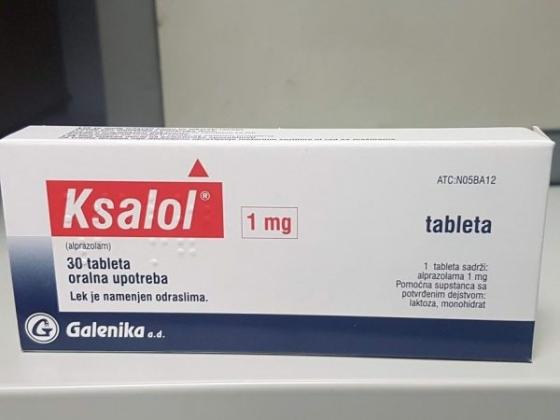
Buy Ksalol Online Europe
What Is Ksalol? Understanding Its Uses, Benefits, and How It Works
Ksalol contains alprazolam, a medication many patients recognize by its more familiar brand name, Xanax. However, fewer people understand exactly how it works or why doctors prescribe it. So, this guide explains what Ksalol is. In addition, it covers how it works, what it treats, and why medical supervision matters throughout treatment.
What Is Ksalol?
Ksalol is a brand name for alprazolam. Specifically, doctors prescribe it to treat anxiety and panic disorders. Also, it belongs to a drug class called benzodiazepines. As a result, it produces a calming effect on the central nervous system.
Because alprazolam is a fast-acting benzodiazepine, patients often notice its effects sooner than with some other anxiety medications. That said, this same quality also raises the risk of dependence with regular use. Therefore, alprazolam is a controlled substance in most countries. Consequently, it’s only available through a licensed prescription, and only after a doctor evaluates whether it’s the right fit.
How Does It Work in the Brain?
To start, Ksalol works by boosting a brain chemical called GABA. Specifically, GABA stands for gamma-aminobutyric acid. Essentially, this chemical acts like a natural brake on brain activity. As a result, it slows down overactive nerve signals throughout the nervous system.
In people with anxiety or panic disorders, the brain’s alarm system often fires too easily. Consequently, ordinary situations can trigger an outsized stress response. In response, Ksalol strengthens GABA’s calming effect. In turn, this helps quiet the overactive signals behind anxious thoughts and physical symptoms like a racing heart or shortness of breath.
Because of this mechanism, Ksalol tends to act quickly. Unlike many antidepressants, it doesn’t require weeks to build up in the system. Instead, patients often notice a calming effect within 30 to 60 minutes. Thanks to this fast action, the medication proves especially useful during acute anxiety or panic episodes. However, this speed also means the body can adjust to its presence quickly, which raises the risk of tolerance and dependence over time.
Approved Medical Uses
Overall, doctors prescribe Ksalol mainly for two related conditions.
First, generalized anxiety disorder is a common approved use. In this condition, persistent and excessive worry interferes with daily functioning. Often, this worry comes with physical symptoms too, including muscle tension, restlessness, and trouble concentrating. Because Ksalol calms the nervous system, it can ease these symptoms during difficult periods.
Second, panic disorder represents another major approved use. In this condition, sudden and intense episodes of fear occur, often without an obvious trigger. Typically, these episodes include physical symptoms such as chest tightness, dizziness, and a pounding heart. Because Ksalol acts quickly, it can help reduce the intensity of these episodes when they happen.
That said, doctors generally avoid long-term daily use whenever possible. Instead, many prefer to combine short courses of Ksalol with other treatments, such as therapy, or use it selectively during flare-ups. As a result, this approach helps balance symptom relief against the risk of dependence.
Why It’s Intended for Use Under Medical Supervision
To begin with, Ksalol isn’t a medication patients should manage without oversight. Instead, doctors supervise its use closely, and for good reason.
First, dependence risk stands out as a central concern. Over time, the brain can adapt to alprazolam’s presence, a process called tolerance. Because of this, higher doses may eventually feel necessary to achieve the same effect. Meanwhile, stopping suddenly after regular use can trigger withdrawal, which can range from uncomfortable to medically serious. To manage this risk, doctors rely on careful dosing and, when needed, a gradual taper.
Next, interaction risk also matters greatly. Since Ksalol depresses the central nervous system, combining it with alcohol, opioids, or other sedatives can be dangerous. As a result, these combinations can slow breathing to unsafe levels. To prevent this, doctors review every medication a patient takes before prescribing Ksalol.
In addition, individual response varies widely. For instance, age, liver function, and other health conditions all affect how someone responds to the medication. Typically, older adults need lower doses, and people with liver conditions may process it more slowly. Because of these differences, regular monitoring helps doctors catch problems early and adjust treatment accordingly.
Finally, ongoing evaluation shapes long-term care. Regularly, doctors reassess whether Ksalol remains appropriate. Meanwhile, they also watch for signs of tolerance or reduced effectiveness. As a result, this ongoing oversight helps keep treatment safe and aligned with each patient’s changing needs.
The Bottom Line
In summary, Ksalol works by boosting GABA activity in the brain, which calms an overactive nervous system. Because of this mechanism, it proves effective for anxiety and panic disorders, and its fast action offers real relief during acute episodes. However, this same power creates real risks, including dependence and dangerous interactions. That’s why doctors supervise its use closely, from the first prescription through any eventual taper. Ultimately, patients get the best results when they follow their doctor’s guidance closely and stay engaged in regular follow-up care.
How to Take Ksalol Safely: A Patient’s Guide
Ksalol can bring real relief for anxiety and panic disorder. However, it also demands careful handling. Therefore, this guide covers five essential habits. In turn, these habits help patients use Ksalol safely and avoid serious risks.
Take the Medication Exactly as Prescribed
First and foremost, always take Ksalol exactly as your doctor prescribes. Specifically, don’t take more than your prescribed dose. Also, don’t take it more often than directed. Even if a dose seems to wear off quickly, resist the urge to take an extra one on your own. Instead, call your doctor and describe what you’re experiencing.
In addition, never stop Ksalol suddenly without medical guidance. Because your body adjusts to the medication over time, abrupt changes can trigger withdrawal. In some cases, withdrawal from alprazolam can be serious, even including seizures. So, if you want to change your dose or stop treatment, talk to your doctor first. Typically, they’ll guide you through a gradual taper instead.
Furthermore, never share this medication with anyone else. What’s safe for you may not be safe for another person, especially someone without a similar diagnosis, tolerance, or medical history.
Why Doses Should Not Be Increased Without Medical Advice
Because Ksalol works quickly, some patients feel tempted to raise their own dose when symptoms return. However, doing so carries real risks. Specifically, increasing your dose without guidance raises your chance of side effects like excessive sedation, confusion, and impaired coordination.
Moreover, the brain can adapt to alprazolam faster than to many other medications. As a result, self-increasing your dose can accelerate tolerance, meaning you’ll need even more to get the same effect over time. This pattern can quickly lead toward dependence.
Instead, if your current dose doesn’t feel like it’s controlling your symptoms, contact your doctor. Because they can assess your full situation, they’re better positioned to decide whether a dose adjustment, a different medication, or an added therapy approach makes the most sense.
Avoiding Alcohol and Certain Medications
Because Ksalol depresses the central nervous system, several substances can interact with it dangerously.
Alcohol is one of the most important to avoid entirely. Since both alcohol and Ksalol slow down brain activity, combining them multiplies the sedative effect. As a result, this combination raises the risk of extreme drowsiness, impaired judgment, and dangerously slowed breathing.
Opioids carry a similarly serious risk. When combined with Ksalol, opioids can severely suppress breathing. In fact, this combination ranks among the leading causes of sedative-related overdose deaths. Because of this danger, doctors generally avoid prescribing both together unless absolutely necessary.
Other sedatives, including sleep aids and certain muscle relaxants, can also intensify Ksalol’s effects. Similarly, some over-the-counter cold and allergy medicines containing antihistamines carry a comparable risk.
Certain antidepressants and antifungal medications may also interact with Ksalol, sometimes changing how quickly the body clears it. Consequently, it’s essential to give your doctor and pharmacist a full list of everything you take, including supplements. Additionally, update this list whenever it changes, and check before starting anything new.
Safe Storage and Proper Disposal
Because Ksalol is a controlled substance, careless storage puts your household at risk. For instance, children, guests, and even pets can be harmed by accidental exposure. To prevent this, follow these steps:
- Store Ksalol in a locked cabinet, lockbox, or another secure location
- Keep it in its original, labeled container, so there’s no confusion about what it is
- Avoid storing it in a bathroom medicine cabinet, since it’s often easily accessible there
- Track your pill count regularly, so you notice quickly if any go missing
When you no longer need the medication, don’t simply throw it in the trash. Instead, ask your pharmacist about take-back programs designed for controlled substances. Many pharmacies and community organizations offer these programs. As a result, proper disposal keeps unused pills out of the wrong hands and away from children.
The Importance of Regular Follow-Up
Ultimately, Ksalol works best as part of an ongoing partnership with your doctor. Through regular follow-up visits, your care team can track how well the medication controls your symptoms. At the same time, these visits help catch early signs of tolerance, dependence, or side effects.
Moreover, these appointments give you a chance to raise concerns you might otherwise hesitate to mention. For example, you might notice changes in mood, memory, or daytime alertness. Because these details matter, being open with your doctor helps them keep your treatment both safe and effective.
Don’t skip appointments once your symptoms improve. After all, your doctor needs the full picture over time to know when a change in your treatment plan makes sense, including eventually tapering off if appropriate.
The Bottom Line
In summary, Ksalol can provide meaningful relief when used correctly, but it requires careful, ongoing attention. Take it exactly as prescribed, and never increase your dose without medical advice. Stay alert to dangerous interactions, especially with alcohol and opioids. Store and dispose of your medication safely. Finally, keep up with regular follow-up visits. Together, these habits protect your health while helping you get the full benefit of your treatment.
Common Side Effects of Ksalol: What to Expect and When to Seek Medical Help
Ksalol helps many patients manage anxiety and panic disorder effectively. However, like any medication, it also brings side effects. Most are mild and predictable. A few are serious and need prompt attention. So, this guide breaks down both, along with practical tips for staying safe.
Common Side Effects
Because Ksalol calms the central nervous system, most everyday side effects trace back to this sedating action.
Drowsiness is one of the most frequent effects. Especially when starting treatment or after a dose increase, many patients feel noticeably sleepy. Typically, this eases somewhat as the body adjusts, though it rarely disappears completely.
Dizziness often shows up alongside drowsiness. In particular, standing up quickly can bring on lightheadedness. Because of this, moving slowly between positions helps reduce the risk.
Fatigue is another common complaint. Even outside of drowsiness, many patients report feeling generally low on energy. Often, this affects motivation and concentration during the day as well.
Reduced coordination also appears frequently. Since Ksalol slows nerve signals throughout the body, reaction time and balance can both suffer. As a result, tasks requiring precision or quick reflexes become more difficult.
Other common effects include dry mouth, blurred vision, and mild memory difficulties. Generally, these tend to be most noticeable early in treatment. If they persist or worsen over several weeks, it’s worth mentioning to your doctor.
Less Common but Serious Side Effects
A smaller group of side effects signals something more serious. Because of this, these deserve closer attention.
Significant breathing changes can occur, particularly when Ksalol is combined with alcohol or other sedatives. Since these combinations amplify the drug’s calming effect, breathing can slow to a dangerous degree.
Severe confusion or memory loss sometimes develops, especially in older adults or with higher doses. Unlike mild memory lapses, this type of confusion can interfere significantly with daily functioning.
Paradoxical reactions occur rarely but are worth knowing about. Instead of calming a patient, Ksalol can occasionally trigger increased agitation, aggression, or unusual excitability. This reaction appears more often in children, older adults, or people with certain psychiatric conditions.
Signs of dependence also fall into this category. For instance, needing progressively higher doses to achieve the same effect, or experiencing withdrawal symptoms between doses, both point toward a developing dependence that needs medical attention.
Severe allergic reactions, while rare, can also occur. Because these involve the immune system rather than typical drug side effects, they require immediate evaluation.
Warning Signs That Require Prompt Medical Attention
Contact your doctor promptly, or seek emergency care, if you notice any of the following:
- Breathing that’s slow, shallow, or noticeably labored
- Extreme drowsiness that makes you hard to wake up
- Severe confusion, slurred speech, or unusual unresponsiveness
- Swelling of the face, lips, tongue, or throat
- A widespread rash, hives, or severe itching that appears suddenly
- New or worsening thoughts of self-harm
- Signs of a paradoxical reaction, such as sudden agitation or aggression
- Any fall or accident that results in injury
Because these symptoms can escalate quickly, don’t wait to see if they improve on their own. When in doubt, treat the situation as urgent and seek care right away.
Practical Tips for Reducing the Risk of Falls or Accidents
Since drowsiness, dizziness, and reduced coordination all raise fall risk, a few simple habits can go a long way toward keeping you safe.
Move slowly between positions. Specifically, sit on the edge of the bed for a moment before standing, especially first thing in the morning or during the night. This gives your body time to adjust and reduces sudden dizziness.
Clear walking paths at home. Because reduced coordination makes tripping more likely, remove loose rugs, cords, or clutter from frequently used walkways.
Avoid driving or operating machinery until you know exactly how Ksalol affects you. Even if you feel alert, reaction time and coordination may still be impaired.
Skip alcohol entirely. Since alcohol intensifies drowsiness and dizziness, avoiding it significantly lowers your fall risk while taking this medication.
Use support when needed. For older adults in particular, using a handrail on stairs or a cane for balance can meaningfully reduce accident risk during treatment.
Keep your care team informed. If you notice increased dizziness, unsteadiness, or a fall, mention it to your doctor right away. Because these details help guide dose adjustments, sharing them promptly protects your long-term safety.
The Bottom Line
Most people taking Ksalol experience manageable side effects like drowsiness, dizziness, fatigue, and reduced coordination. Simple daily precautions can meaningfully lower the risks these effects create, especially around falls and accidents. A smaller set of serious effects, including breathing changes, severe confusion, and paradoxical reactions, need prompt medical attention. Because staying alert to these warning signs protects your safety, keep your doctor informed of how you’re feeling throughout treatment.
Frequently Asked Questions About Ksalol
Patients starting Ksalol often carry similar questions into their first appointment. Because of this, this FAQ walks through six common ones. From what it treats to when to call your doctor, here’s what every patient should know.
What Conditions Is Ksalol Prescribed For?
Primarily, doctors prescribe Ksalol to treat anxiety and panic disorder. Specifically, it helps manage generalized anxiety disorder, where persistent worry interferes with daily life. Additionally, it’s commonly used for panic disorder, which involves sudden, intense episodes of fear along with physical symptoms like a racing heart or shortness of breath.
Because Ksalol acts quickly, doctors sometimes prescribe it for short-term relief during particularly difficult periods. However, they generally avoid long-term daily use whenever possible. Instead, many prefer combining short courses with therapy, or reserving it for situational use during flare-ups. As a result, this approach helps balance symptom relief against the risk of dependence over time.
How Quickly Does It Start Working?
Generally, Ksalol works fast compared to many other anxiety medications. Specifically, most patients notice a calming effect within 30 to 60 minutes of taking a dose. Because it acts directly on the brain’s GABA system, it doesn’t require weeks to build up the way antidepressants often do.
That said, individual response varies. For instance, factors like metabolism, body weight, and whether you’ve recently eaten can all affect how quickly you feel the effect. If your symptoms don’t improve within the expected window, don’t take an extra dose on your own. Instead, contact your doctor to discuss your response.
How Long Do Its Effects Last?
Typically, Ksalol’s effects last around four to six hours, though this varies between individuals. Because of this relatively short duration compared to some other benzodiazepines, doctors often prescribe it multiple times a day when treating ongoing symptoms.
However, this shorter duration also means effects can wear off somewhat abruptly. As a result, some patients notice symptoms returning between doses. If this happens regularly, mention it to your doctor rather than adjusting your dose or timing on your own. Because they can review your full treatment plan, they’re better positioned to find a solution that keeps your symptoms controlled safely.
Can It Be Taken With Food?
Yes, Ksalol can generally be taken with or without food. In fact, some patients prefer taking it with a small meal, since this can reduce mild stomach upset that occasionally occurs.
That said, food can slightly slow how quickly the medication takes effect. So, if you need faster relief during an acute episode, taking it on an empty stomach may work better. Either way, try to stay consistent with your chosen approach, since this helps keep the medication’s effects predictable from dose to dose.
What Should Patients Do if They Miss a Dose?
If you miss a dose, take it as soon as you remember. However, if your next scheduled dose is coming up soon, skip the missed one entirely. After that, simply resume your regular schedule.
Importantly, never double up to make up for a missed dose. Doing so raises your risk of excessive sedation, dizziness, and other dangerous side effects. If you’re ever unsure whether to take a missed dose, call your pharmacist for guidance.
Also, if you find yourself missing doses often, mention this to your doctor. For example, they might suggest a pill organizer, a phone alarm, or a simpler dosing schedule that fits more naturally into your day.
When Should Someone Contact Their Healthcare Provider?
Reach out to your doctor if you notice any of the following:
- Symptoms that aren’t improving, or that seem to be getting worse
- Side effects that persist beyond the first few weeks of treatment
- Signs that you’re needing more medication to get the same effect
- New or worsening confusion, memory problems, or mood changes
- Questions about how long you’ll need to take Ksalol, or how to eventually stop
Meanwhile, seek emergency care right away, rather than waiting for a callback, if you experience severe drowsiness that’s hard to rouse from, slowed or difficult breathing, signs of a severe allergic reaction, or a seizure. Because these situations can escalate quickly, it’s always safer to act promptly rather than wait and see.
The Bottom Line
In summary, Ksalol is prescribed mainly for anxiety and panic disorder, and it typically starts working within an hour, with effects lasting several hours at a time. It can generally be taken with or without food, though staying consistent helps keep its effects predictable. If you miss a dose, take it soon after remembering, but never double up. Because Ksalol interacts with many other substances and requires careful dosing, always keep your care team informed and reach out whenever something feels uncertain. After all, staying in close contact with your doctor is one of the best ways to use this medication safely.
Reviews
There are no reviews yet.