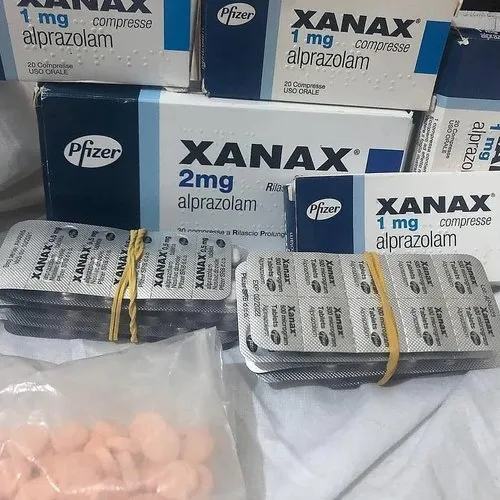
Buy Xanax XR Online Europe
Understanding Xanax XR 2mg Dependence, Tolerance, and Withdrawal
Buy Xanax XR Online here is what you need to know first . Xanax XR can help a lot with anxiety and panic disorder, but because of how it works in the brain, using it regularly for a long time can lead to the body changing how it responds to the medicine. Understanding this helps explain why doctors are careful about how long someone stays on it and why stopping should never be done alone or all at once.
What Tolerance Means
Tolerance is when the body gets used to a medicine over time, so the same dose doesn’t work as well as it used to. This happens because the brain adjusts to having extra GABA activity around all the time (remember, GABA is the brain’s natural “calm down” chemical, and Xanax makes its effect stronger). After weeks or months of steady use, the brain starts to expect that boosted calming signal and adjusts its own systems to balance it out.
When this happens, some people notice the anxiety relief isn’t as strong as when they first started. This can tempt someone to take more to get the same effect but taking more without a doctor’s guidance raises the risk of side effects without necessarily helping more.
What Dependence Means
Dependence is different from tolerance, though the two are related. Dependence means the body has adjusted so much to having the medicine around that it now needs it just to feel “normal.” This isn’t the same thing as addiction, which involves cravings and compulsive use dependence can happen even when someone is taking the medicine exactly as prescribed, simply because of how long they’ve used it and how the brain adapts over time.
With Xanax XR specifically, dependence can develop even at regular, doctor-approved doses if it’s used continuously for weeks or months. This is one of the main reasons doctors usually plan for shorter-term use or regular breaks, rather than open-ended daily use for years.
Why Stopping Suddenly Is Risky
Once the brain has adjusted to the extra calming signal Xanax provides, suddenly removing that signal is like letting go of a stretched rubber band all at once. The medication had previously quieted the brain’s ‘excite’ system. Now, this system can suddenly become much more active than normal. Nothing balances it anymore.
This rebound effect is what causes withdrawal symptoms, which can include:
- Anxiety that comes back stronger than it was before starting the medicine
- Trouble sleeping or very disturbed sleep
- Shaking or trembling
- Sweating
- A racing heart
- Feeling irritable or on edge
- In more serious cases, seizures
Seizures are the most dangerous part of Xanax withdrawal, and they can happen even in people who don’t have a history of seizures otherwise. This is what makes sudden withdrawal from benzodiazepines different from, and often more dangerous than, withdrawal from many other types of medicine.
Why a Slow Taper Is the Safe Way to Stop
Because of these risks, doctors lower the dose gradually. They call this process tapering. Tapering gives the brain time to adjust slowly. It allows the brain to function without the extra calming boost. This prevents the brain from having to readjust suddenly.
The exact tapering schedule depends on things like how long someone has been taking the medicine, the dose they’ve been on, and how their body responds as the dose is lowered. Some people taper over a few weeks; others, especially after long-term use, may need a slower schedule over months.
Who Is Most at Risk
A few factors make dependence and difficult withdrawal more likely:
- Taking the medicine for a long stretch of time, rather than short-term or occasional use
- Taking higher doses
- Combining it with alcohol or other calming substances
- Stopping abruptly instead of tapering
Note
Xanax XR can be very helpful for panic disorder, but the same calming effect that makes it useful also means the brain can adjust to it over time. This is why doctors monitor how long someone stays on it, why increasing the dose without medical guidance isn’t safe, and why stopping always needs to happen slowly, under medical supervision, rather than all at once. Anyone thinking about stopping Xanax XR should talk to their doctor first, rather than trying to manage it alone.
Recognizing Misuse of Xanax XR 2mg: Signs, Prevention, and Where to Find Help
Xanax XR helps many people manage panic disorder safely when taken exactly as prescribed. But because it works on the brain’s calming system, it also carries a real risk of misuse meaning it’s taken in a way different from how a doctor prescribed it. Knowing the signs early can help someone get support before things get more serious.
What Misuse Actually Looks Like
Misuse doesn’t always look dramatic. It can be small changes at first, like:
- Taking a higher dose than prescribed, even just a little extra to feel calmer
- Taking it more often than prescribed
- Using it for reasons other than what it was prescribed for like using it to sleep, relax socially, or cope with stress unrelated to panic disorder
- Running out of a prescription earlier than expected, then asking for early refills
- Taking someone else’s Xanax, or giving/selling your own to someone else
- Combining it with alcohol or other substances to feel a stronger effect
Warning Signs in a Person
Family members or friends might notice changes like:
- Seeming unusually drowsy, slow, or foggy more often than expected
- Mood swings, especially irritability when the medicine isn’t available
- Needing it to handle everyday situations that didn’t used to feel overwhelming
- Withdrawing from family, friends, or activities they used to enjoy
- Being secretive about how much they’re taking, or defensive when asked about it
- Visiting multiple doctors to get more than one prescription.
- Financial or work problems that seem to line up with increased use
Why Misuse Happens
Misuse isn’t about a lack of willpower it often develops gradually, sometimes without the person even fully realizing it’s happening. A few common paths into misuse include:
- Tolerance building quietly. As explained in dependence, the body can get used to a dose over time, tempting someone to take more just to get the same calming effect they started with.
- Using it to cope with things it wasn’t meant for. Someone might start using Xanax for everyday stress, sleep problems, or emotional pain, well beyond its intended use for panic or anxiety symptoms.
- Underlying untreated conditions. Sometimes misuse signals an underlying problem. The treatment plan might fail to fully address anxiety, depression, or another issue. The person then unconsciously tries to manage more than the medicine should handle.
How to Help Prevent Misuse
A few practices lower the risk significantly:
- Taking Xanax XR exactly as prescribed same dose, same schedule, no adjusting alone
- Storing it securely, ideally locked, especially in homes with teenagers or other family members
- Avoiding alcohol or other calming substances while taking it
- Keeping regular follow-up appointments so a doctor can catch early signs of tolerance or dependence
- Being honest with a doctor if the current dose doesn’t feel like it’s working anymore, rather than adjusting it independently
What to Do If You Notice Misuse In Yourself or Someone Else
If you notice these patterns in your own use, or in someone you care about, the most important step is talking to a doctor rather than trying to handle it alone or feeling ashamed. Misuse of a prescribed medication is a medical issue, not a moral failing, and it responds well to support.
For a loved one, approaching the conversation with concern rather than blame tends to go better focusing on specific changes you’ve noticed rather than accusations.
Where to Find Support
- A primary care doctor or the prescribing doctor is the first and most direct place to start they can adjust a treatment plan safely and refer to further support if needed.
- A mental health professional or addiction specialist can help address both the misuse itself and any underlying anxiety or stress driving it.
- National or local substance use helplines exist in most countries and can offer confidential guidance on next steps, including detox or treatment options if needed.
- Support groups for families, since misuse affects the people around someone too, not just the individual.
To Add
Recognizing misuse early in yourself or someone you love makes it much easier to address safely. Xanax XR is a genuinely helpful medicine when used as intended, and getting support isn’t about punishment, it’s about making sure the treatment stays safe and effective for the long run. Buy Xanax XR Online Europe
Frequently Asked Questions About Xanax: Evidence-Based Answers
How quickly does Xanax work?
Xanax works faster than most other anxiety medicines. Many people start feeling its calming effect within 15 to 30 minutes of taking it, with the strongest effect usually happening around 1 to 2 hours after. This fast action is one reason it’s often used for sudden panic attacks, where waiting hours for relief just isn’t practical. However, this fast-acting nature is also part of why doctors are careful with it — medicines that work quickly and wear off quickly tend to carry a higher risk of the body adjusting to them over time.
For the extended-release version (Xanax XR), the effect builds more slowly and lasts longer across the day, rather than hitting quickly and fading within a few hours like the regular tablet. Buy Xanax XR Online Europe
Can it be taken long term?
Generally, no not without real caution. Xanax is meant mostly for short-term use, such as a few weeks, or for occasional situations like an unexpected panic attack. Long-term daily use raises several concerns:
When a patient needs longer-term anxiety treatment, doctors often prefer other medicines that work more gradually, like SSRIs, reserving Xanax only for flare-ups rather than using it as the main daily treatment.
Can you drive while taking it?
This depends heavily on the individual and the dose, but caution is important. Xanax can cause drowsiness, slower reaction time, and reduced coordination especially when someone first starts taking it or right after a dose increase. Driving during this adjustment period isn’t recommended until it’s clear how the medicine affects that specific person.
Even after the body adjusts, some people continue to feel some level of drowsiness or slowed thinking, particularly at higher doses. Combining Xanax with alcohol or other calming substances makes impaired driving far more likely and far more dangerous. Anyone unsure whether it’s safe to drive should ask their doctor directly, since this varies a lot person to person.
If you miss a dose, take it as soon as you remember, unless it is almost time for your next dose. In that case, skip the missed dose rather than doubling up. Doctors do not recommend taking two doses at once to ‘catch up,’ because doing so increases your risk of excessive drowsiness or other side effects. Buy Xanax XR Online Europ Near Me
Doctors prescribe Xanax for different reasons. Some patients take it only for panic attacks. Others take it daily for ongoing anxiety. Therefore, the right approach varies for everyone. Always follow your prescribing doctor’s specific instructions. Do not rely on general rules. Dosing schedules differ significantly from patient to patient.
Is it safe during pregnancy or breastfeeding?
Medical research links Xanax use during pregnancy to potential risks. These risks include effects on the developing baby. In some cases, newborns experience withdrawal symptoms. This happens if the mother took the medicine regularly near delivery. Timing matters greatly in this conversation. Early pregnancy use carries different considerations than late-term use.
Alprazolam also passes into breast milk in small amounts. Regular use may cause drowsiness or poor feeding in nursing infants. However, untreated anxiety also carries real risks for mother and child. Therefore, patients should not simply avoid the medication entirely. Instead, they must weigh their individual circumstances with a doctor. The physician evaluates the full picture. They consider the severity of the anxiety, the timing, and the dose. They also review alternative options rather than relying on general advice. Buy Xanax XR Online Europe
Conclusion
Xanax is a fast-acting tool for panic and anxiety. However, patients often have many questions about it. They might wonder about driving, missed doses, or pregnancy safety. The answer to all these questions requires individual guidance. Your prescribing doctor must provide this specific advice. Every person, dose, and situation is unique.


Reviews
There are no reviews yet.