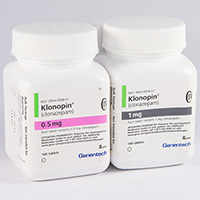
Buy Klonopin Online Europe
Understanding Klonopin: What It Is, How It Works, and Its Medical Uses
Klonopin is a common name in mental health and neurology. However, many patients hear it without knowing what it does. So, this guide explains what Klonopin is. In addition, it covers how it works, what it treats, and why doctors watch its use closely.
What Is Klonopin?
Buy Klonopin Online Europe here is what you must know. Klonopin is the brand name for clonazepam. Specifically, doctors prescribe it to treat certain seizure disorders and panic disorder. Also, it belongs to a drug class called benzodiazepines. As a result, these drugs calm the central nervous system.
In fact, clonazepam has a long history in medicine. For decades, doctors have relied on it. Because of this track record, it remains a trusted option for specific conditions. But its calming power also brings real risks. For instance, these include dependence and misuse. Because of this risk, clonazepam is a controlled substance. Therefore, it’s only available with a prescription.
How Does It Work in the Brain?
To start, Klonopin works by boosting a brain chemical called GABA. Specifically, GABA stands for gamma-aminobutyric acid. Essentially, this chemical acts like a natural brake on brain activity. As a result, it slows down overactive nerve signals.
For example, in people with seizures, brain activity can spike out of control. Consequently, this overactivity can trigger convulsions. In response, Klonopin strengthens GABA’s calming effect. In turn, this helps prevent that spike from happening. Overall, it stabilizes brain activity and reduces seizure risk.
Similarly, in panic disorder, the brain’s fear response often fires too easily. As a result, this can create sudden waves of intense anxiety. Once again, Klonopin’s effect on GABA calms this overactive response. Consequently, it helps reduce the frequency and intensity of panic symptoms.
Because of this mechanism, Klonopin works fast. Unlike some other psychiatric medications, it doesn’t need weeks to build up. Instead, patients often notice its calming effect within an hour. Thanks to this fast action, the medication proves useful during acute symptoms. However, it also raises the risk of dependence with regular use.
Approved Uses
Overall, doctors prescribe Klonopin for two main conditions.
First, seizure disorders make up one major approved use. Specifically, Klonopin treats certain types of seizures, including absence seizures and myoclonic seizures. These are specific patterns of unusual brain activity. Often, doctors use Klonopin alongside other seizure medications. As a result, this combination approach helps control symptoms that a single drug might not fully manage.
Second, panic disorder is the other major approved use. In this condition, sudden and intense episodes of fear occur. Often, these episodes come with physical symptoms as well. For example, a racing heart, shortness of breath, and dizziness are common. Because of Klonopin’s calming effect, it can reduce how often these episodes happen. Additionally, it can ease their intensity when they do occur.
That said, doctors sometimes prescribe Klonopin for other conditions too. In these cases, the uses fall outside its official approval. For example, this includes certain anxiety disorders and specific sleep problems. Because this kind of use carries added uncertainty, it requires careful judgment. Ultimately, doctors weigh the benefits against the risks case by case.
Why It’s Prescribed Under Medical Supervision
To begin with, Klonopin isn’t a medication patients manage alone. Instead, doctors supervise its use closely, and for good reason.
First, dependence risk is a central concern. Over time, the brain can adapt to Klonopin’s presence. Because of this process, called tolerance, higher doses may be needed for the same effect. Meanwhile, stopping suddenly after regular use can trigger withdrawal. In some cases, withdrawal from benzodiazepines can even include seizures. To manage this risk, doctors rely on careful dosing and gradual tapering when treatment ends.
Next, interaction risk also matters. Since Klonopin depresses the central nervous system, combining it with alcohol, opioids, or other sedatives can be dangerous. As a result, these combinations can slow breathing to unsafe levels. To prevent this, doctors review every medication a patient takes before prescribing Klonopin.
In addition, individual response varies widely between patients. For example, age, liver function, and other health conditions all affect how someone responds to Klonopin. Typically, older adults need lower doses. Similarly, people with liver problems may process the drug more slowly. Because of these differences, regular monitoring helps doctors catch problems early.
Finally, ongoing evaluation shapes long-term treatment too. Regularly, doctors reassess whether Klonopin remains the right choice. Meanwhile, they watch for signs of tolerance, side effects, or reduced effectiveness. They also evaluate whether therapy or other treatments could reduce reliance on medication over time. As a result, this ongoing oversight keeps treatment aligned with each patient’s evolving needs.
Who Might Receive a Klonopin Prescription
Before prescribing Klonopin, doctors consider several factors. First, they review a patient’s diagnosis. Then, they confirm it matches an approved use, or a clear clinical need. Also, they check for risk factors like a history of substance misuse.
For instance, patients with a confirmed seizure disorder often start Klonopin alongside other treatments. In this way, the combination approach helps target different aspects of seizure activity. Meanwhile, patients with panic disorder may start Klonopin during a severe episode. In these cases, doctors often plan for shorter-term use. Because long-term daily use raises the risk of dependence, doctors watch this closely.
However, some patients aren’t good candidates for Klonopin. For example, this includes people with certain breathing conditions, since the drug can suppress breathing further. Similarly, people with a history of substance misuse need extra caution. For these reasons, doctors weigh every factor carefully before writing a prescription.
The Bottom Line
In summary, Klonopin works by boosting GABA activity in the brain, which calms overactive nerve signals. Because of this mechanism, it proves effective for certain seizure disorders and panic disorder. Thanks to its fast action, it offers real relief during acute symptoms. However, this same power creates real risks, including dependence and dangerous interactions. That’s why doctors supervise its use closely, from the first prescription through any eventual tapering. Ultimately, patients get the best results when they follow their doctor’s guidance closely and stay engaged in regular follow-up care.
Buy Klonopin Online Europe Near Me
How to Take Klonopin Safely: Essential Information for Patients
Klonopin can bring real relief for seizures and panic disorder. However, it also demands careful handling. Therefore, this guide covers five essential habits. In turn, these habits help patients use Klonopin safely and avoid serious risks.
Follow the Prescribed Dosage and Schedule
First and foremost, always take Klonopin exactly as your doctor prescribes. Specifically, don’t take more than your prescribed dose. Also, don’t take it more often than directed. If your symptoms don’t improve, resist the urge to raise your own dose. Instead, call your doctor and explain what you’re noticing.
In addition, never stop Klonopin suddenly on your own. Because your body adjusts to the medication over time, abrupt changes can trigger withdrawal. In some cases, this withdrawal can include seizures, even in patients without a seizure disorder. So, if you want to change your dose or stop treatment, talk to your doctor first. Typically, they’ll guide you through a gradual taper instead.
Furthermore, never share this medication with anyone else. What’s safe for you may not be safe for another person, especially someone without a similar diagnosis or tolerance.
What to Do if a Dose Is Missed
If you miss a dose, take it as soon as you remember. However, if your next scheduled dose is coming up soon, skip the missed one entirely. After that, simply resume your regular schedule.
Importantly, never double up to make up for a missed dose. Doing so raises your risk of excessive sedation and other dangerous side effects. If you’re ever unsure whether to take a missed dose, call your pharmacist for guidance.
Also, if you find yourself missing doses often, mention this to your doctor. For example, they might suggest a pill organizer, a phone alarm, or a simpler dosing schedule that’s easier to follow consistently.
Medicines and Substances That May Interact With Klonopin
Because Klonopin depresses the central nervous system, several substances can interact with it dangerously.
Alcohol is one of the most important to avoid. Since both alcohol and Klonopin slow down brain activity, combining them multiplies the sedative effect. As a result, this combination raises the risk of extreme drowsiness, slowed breathing, and overdose. Therefore, it’s best to avoid alcohol entirely while taking this medication.
Opioids carry a similarly serious risk. When combined with Klonopin, opioids can severely slow breathing. In fact, this combination is one of the leading causes of sedative-related overdose deaths. Because of this danger, doctors generally avoid prescribing both together unless absolutely necessary.
Other sedatives, including sleep aids and certain muscle relaxants, can also deepen Klonopin’s effects. Similarly, some antihistamines found in over-the-counter cold and allergy medicines carry the same risk.
Certain antidepressants and other psychiatric medications may also interact with Klonopin. Consequently, it’s essential to give your doctor and pharmacist a complete list of everything you take. This includes prescription drugs, over-the-counter products, and supplements. Additionally, update this list whenever it changes, and check with your pharmacist before starting anything new.
Safe Storage and Disposal
Because Klonopin is a controlled substance, careless storage puts your household at risk. For instance, children, guests, and even pets can be harmed by accidental exposure. To prevent this, follow these steps:
- Store Klonopin in a locked cabinet, lockbox, or another secure location
- Keep it in its original, labeled container, so there’s no confusion about what it is
- Avoid storing it in a bathroom medicine cabinet, since it’s often easily accessible there
- Track your pill count regularly, so you notice quickly if any go missing
When you no longer need the medication, don’t simply throw it in the trash. Instead, ask your pharmacist about take-back programs designed for controlled substances. Many pharmacies and community organizations offer these programs. As a result, proper disposal keeps unused pills out of the wrong hands and away from children.
The Importance of Regular Medical Follow-Up
Ultimately, Klonopin works best as part of an ongoing partnership with your doctor. Through regular follow-up visits, your care team can track how well the medication controls your symptoms. At the same time, these visits help catch early signs of tolerance, dependence, or side effects.
Moreover, these appointments give you a chance to raise concerns you might otherwise hesitate to mention. For example, you might notice changes in mood, memory, or daytime alertness. Because these details matter, being open with your doctor helps them keep your treatment both safe and effective.
Don’t skip appointments once your symptoms improve. After all, your doctor needs the full picture over time to know when a change in your treatment plan makes sense.
The Bottom Line
In summary, Klonopin can provide meaningful relief when used correctly, but it requires careful, ongoing attention. Follow your prescribed dosage and schedule closely. Know what to do if you miss a dose. Stay alert to dangerous interactions, especially with alcohol. Store and dispose of your medication safely. Finally, keep up with regular follow-up visits. Together, these habits protect your health while helping you get the full benefit of your treatment.
Frequently Asked Questions About Klonopin
Patients starting Klonopin often carry similar questions into their first appointment. Because of this, this FAQ walks through six common ones. From onset time to when to call your doctor, here’s what every patient should know.
How Long Does Klonopin Take to Work?
Generally, Klonopin starts working fairly quickly. Specifically, most patients notice its calming effect within one to two hours of taking a dose. Because it acts on the brain’s GABA system directly, it doesn’t need weeks to build up the way some other psychiatric medications do.
That said, individual response varies. For instance, factors like metabolism, body weight, and whether you’ve eaten recently can all affect how fast you feel the effect. If your symptoms don’t improve within the expected window, don’t take an extra dose on your own. Instead, contact your doctor to discuss your response.
How Long Do Its Effects Last?
Compared to many other benzodiazepines, Klonopin has a notably long duration of action. Typically, its effects last between six and twelve hours, though this can vary between individuals. Because of this longer duration, doctors often prescribe it once or twice daily, rather than multiple times throughout the day.
However, this same long duration means the drug stays in your system for a while after each dose. As a result, effects like drowsiness can persist longer than you might expect, especially when starting treatment or after a dose increase. So, avoid driving or operating machinery until you know how the medication affects you personally.
Can It Be Taken With Food?
Yes, Klonopin can generally be taken with or without food. In fact, some patients prefer taking it with a meal, since this can reduce mild stomach upset that occasionally occurs.
That said, taking it consistently the same way each day helps keep its effects predictable. So, if you start taking it with food, try to continue that pattern. Similarly, if you take it on an empty stomach, stick with that routine as well. If you have questions about the best approach for your situation, ask your pharmacist.
Is It Suitable for Older Adults?
Klonopin can be prescribed to older adults, but doctors approach this with extra caution. Because older adults often process medications more slowly, the drug can build up in their system more than it would in a younger patient. As a result, doctors typically start with a lower dose and adjust gradually.
Additionally, older adults face a higher risk of falls, confusion, and excessive sedation while taking benzodiazepines like Klonopin. Therefore, caregivers should watch closely for signs of unsteadiness or unusual drowsiness. Because of these combined risks, doctors often reserve Klonopin for older adults only when the benefits clearly outweigh the risks, and they monitor treatment closely over time. Buy Klonopin Online Europe
Can It Be Taken With Other Medications?
Sometimes, but only under close medical supervision. Since Klonopin depresses the central nervous system, combining it with other sedating medications can be dangerous. For example, opioids, sleep aids, and certain muscle relaxants can all deepen its effects, raising the risk of slowed breathing.
Similarly, alcohol should be avoided entirely, since it carries the same risk of dangerous sedation. In addition, some antidepressants and other psychiatric medications may interact with Klonopin in ways that require dose adjustments or extra monitoring.
Because of these risks, always give your doctor and pharmacist a full list of everything you take. This includes prescription medicines, over-the-counter products, and supplements. Moreover, update this list whenever it changes, and check with your pharmacist before adding anything new. Buy Klonopin Online Europe
When Should Patients Discuss Concerns With Their Healthcare Provider?
Reach out to your doctor if you notice any of the following:
- Symptoms that aren’t improving, or that seem to be getting worse
- Side effects that persist beyond the first few weeks of treatment
- Signs that you’re needing more medication to get the same effect
- New or worsening mood changes, confusion, or memory problems
- Questions about how long you’ll need to take Klonopin, or how to eventually stop
Meanwhile, seek emergency care right away, rather than waiting for a callback, if you experience severe drowsiness that’s hard to rouse from, slowed or difficult breathing, signs of a severe allergic reaction, or a seizure. Because these situations can escalate quickly, it’s always safer to act promptly rather than wait and see. Buy Klonopin Online Europe
Note To Take Care Of.
In summary, Klonopin typically starts working within one to two hours and can last up to twelve hours, making it a longer-acting option among benzodiazepines. It can generally be taken with or without food, though consistency matters. Older adults can take it safely, but only with careful dosing and close monitoring. Because it interacts with many other substances, always keep your care team informed of everything you take. Finally, don’t hesitate to reach out whenever something feels uncertain. After all, staying in close contact with your doctor is one of the best ways to use this medication safely. Buy Klonopin Online Europe

Reviews
There are no reviews yet.